Complete Creature Extraction Services for a Pest-controlled Setting
Professional animal removal services tackle major city challenges posed by assorted animal species. These specialists manage issues including rodent problems and raccoon intrusions, which can produce considerable health risks. Utilizing humane techniques, they promise secure relocation while preventing subsequent incidents. Understanding the methods and ethics supporting these services is essential. Which factors should one consider when choosing a reliable wildlife control service? Exploring this can provide useful knowledge into keeping a animal-free environment.
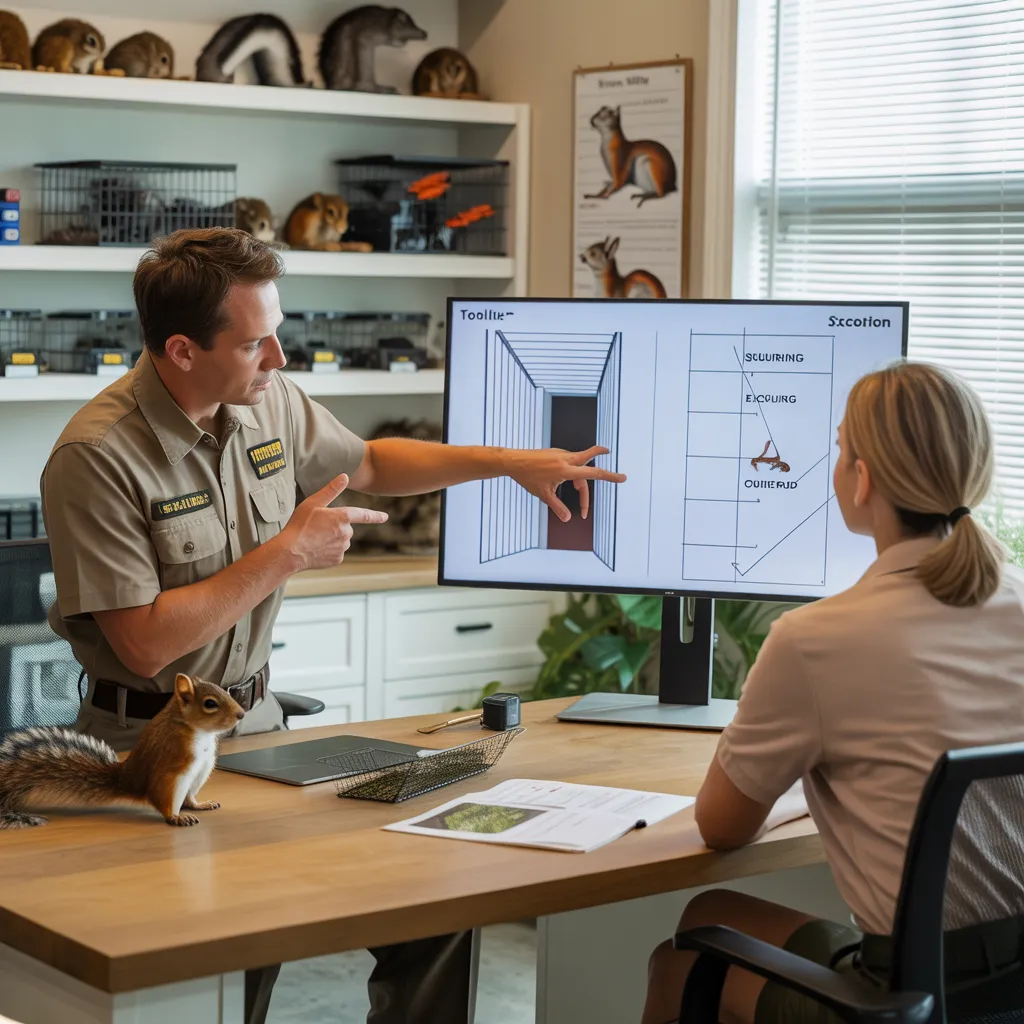
Frequent Wildlife Concerns in Urban Environments
Urban areas often encounter a array of wildlife issues that can interfere with daily life and present health risks. Rodents, such as rats and mice, often invade homes and businesses, looking for food and shelter. Their presence can lead to property damage and the transmission of diseases like hantavirus and leptospirosis. In the same way, raccoons and squirrels frequently take advantage of urban environments, rummaging through trash and nesting in attics, which can create further sanitation issues.
Birds, mainly pigeons, can develop into annoyances, contributing toward unsightly waste that pose dangers and harm property. In addition, larger wildlife including deer may move into metropolitan areas, generating dangerous situations on thoroughfares. As animals become adapted to urban settings, the discord between people and animals mount, urging powerful control strategies to reduce these concerns and maintain community safety.
Why Pest Removal Assistance Count
Wildlife removal services are essential in reducing potential hazards that stem from animal infestations. They also help prevent property damage created by wildlife, which can cause high-cost repairs. Additionally, these solutions help maintain ecological balance by making sure that urban areas remain safe and sustainable for both people and wildlife.
Health Concerns Prevention
When animals invade on human spaces, they can pose substantial safety hazards, making animal control solutions vital for ensuring safety. Untamed creatures often transmit illnesses that can be transmitted to humans, such as rabies, hantavirus, and leptospirosis. Their droppings and excrement can pollute surfaces and air, leading to respiratory issues or ailments. Additionally, parasites like ticks and fleas may invade homes, presenting extra health threats. Effective wildlife removal not only addresses urgent infestations but also stops future occurrences, thereby protecting community wellness. Experts trained in humane removal methods guarantee that creatures are moved rather than harmed, promoting a balance between fauna and residential environments. Ultimately, these services play a essential role in preserving both public welfare and environmental balance.
Avoiding Property Damage
The provision of effective wildlife removal solutions is important in defending properties against significant damage. Wildlife encroachment causes structural harm, such as bitten electrical wires, damaged insulation, and weakened roofing. Additionally, burrowing animals endanger foundations, which can lead to costly repairs. Addressing infestations promptly prevents further deterioration and maintains property value. Professional wildlife removal includes sealing entry points, reducing the likelihood of future invasions. This preventative approach safeguards the building’s physical integrity and limits disturbances to daily life. Investing in thorough wildlife removal mitigates risks, ensuring a secure and damage-free space for homeowners and business read now owners alike.
Maintaining Ecological Balance
Maintaining ecological balance is essential for thriving ecosystems, and wildlife removal services play an important role in this process. These services help manage wildlife populations that may become invasive or overly abundant, ensuring that native species and their habitats are preserved. Overpopulation of certain species can lead to scarcity of resources, habitat destruction, and increased human-wildlife conflicts. By expertly handling wildlife, these services contribute to the stability of ecosystems, allowing for the coexistence of various species. Additionally, they provide informative materials about local wildlife, fostering community awareness and promoting conservation efforts. Ultimately, wildlife removal services are key for maintaining biodiversity, protecting habitats, and ensuring that ecosystems remain balanced and resilient.
Wildlife Removal: How Experts Perform the Task
Professionals in wildlife removal start with a comprehensive evaluation and analysis to determine the type of animal and the extent of the problem. This initial evaluation is crucial for determining the most efficient and compassionate removal techniques. Using secure procedures guarantees that both the animals and the surrounding environment are protected throughout the process.
Review and Assessment Method
Performing a careful inspection and assessment method is crucial in wildlife removal, as it enables experts to recognize the unique challenges posed by nuisance animals. Specialists start by checking the property for evidence of wildlife activity, including droppings, tracks, and nesting materials. They assess potential entry points, such as gaps in walls, roofs, and foundations that animals may exploit. Moreover, the evaluation covers checking for harm caused by wildlife, which can confirm the extent of infestation. Understanding the actions of the animals involved is necessary for effective management. This thorough assessment not only guides the removal strategy but also helps in preventing future invasions, providing a long-term solution for a pest-free environment.

Safe Taking Away Approaches
Employing humane and proven methods, wildlife removal experts use a range of non-harmful techniques to manage infestations. These professionals focus on the well-being of both animals and the environment. Trapping is a standard approach, using custom-made cages that capture wildlife without harm, enabling relocation to suitable habitats. Furthermore, exclusion methods are employed to seal entry points, preventing future invasions. Specialists may also use natural repellents that deter wildlife without harm. Monitoring and follow-up assessments guarantee the effectiveness of these strategies, allowing for modifications as needed. By focusing on humane practices, wildlife removal specialists promote a balanced coexistence between humans and local wildlife, maintaining a pest-free environment while respecting nature’s role in the ecosystem.
Precautions and Ethics in Wildlife Removal
Skilled animal relocation copyrights on the careful equilibrium between people's protection and ethical treatment of animals. Professionals in this field prioritize safety by employing techniques that reduce dangers to both human and animal populations. This includes using capture devices engineered to restrain without injury and guaranteeing every engagement occurs with compassion.
Moral considerations go beyond only the practices involved; they comprise the understanding of animals' purposes in the ecosystem. Responsible wildlife removal professionals support the humane relocation of animals rather than extermination, realizing the need to respect wildlife as essential units of the environment.
Furthermore, continuous education and training in humane practices are vital for experts. This dedication to secure and moral standards not only builds confidence across neighborhoods but also encourages a more peaceful relationship with the natural world. Consequently, responsible animal management is not merely a offering but a fundamental obligation that maintains the principles of compassion and respect for all creatures.
Preventing Next Wildlife Intrusions
Grasping the importance of compassionate animal removal logically points to the consideration of prevention strategies against future infestations. Successful prevention begins by locating and closing access holes around homes and buildings. This encompasses inspecting roofs, attics, basements, and foundations for openings or fissures that animals can utilize.
Moreover, taking away food sources is critical. Protect garbage bins, compost piles, and pet food to discourage animals from seeking easy meals. Upkeeping a tidy yard by trimming overgrown vegetation and removing debris minimizes potential habitats for wildlife.
Deploying noise deterrents or motion-sensing fixtures can further discourage trespassing wildlife. Constantly copyrightining the land for signs of wildlife activity allows homeowners to resolve concerns before they intensify. Through adopting these preventative approaches, individuals can build a setting that minimizes the risk of future wildlife infestations, ensuring a peaceful coexistence with nature while sustaining a clean home.
Key Points for Locating a Quality Pest Control Business?
When looking for a wildlife removal service, what important considerations should homeowners consider? First, it is crucial to evaluate the company's experience and expertise in dealing with specific wildlife issues. A trustworthy company should have trained technicians familiar with local regulations and humane removal practices. Furthermore, homeowners should ask regarding the techniques used for extraction and prevention, ensuring they prioritize safety and environmental responsibility.
Moreover, verifying licensing and insurance can protect homeowners from legal responsibility during the removal process. Testimonials and feedback offer understanding into the company's standing and success rate. Finally, transparency regarding pricing and guarantees is vital; a reputable company will provide transparent quotes and follow-up support. By focusing on these elements, homeowners can select a wildlife removal service that satisfies their requirements, ensuring a pest-free environment while adhering to ethical standards.
Popular Questions Asked Frequently
What Types of Fauna Do Removal Services Manage?
Wildlife removal services generally manage various animals, such as raccoons, squirrels, opossums, bats, and birds. They tackle problems related to infestations, ensuring safe removal and prevention of future wildlife encounters in commercial and residential properties.
Can Creature Management Services Be Eco-Friendly?
Animal removal services can be eco-friendly, using ethical practices to relocate animals in a safe manner. Many stress environmentally safe practices, maintaining minimal disruption to local ecosystems while properly handling wildlife-related issues for homeowners and businesses alike.
How Lengthy is the Removal Process Generally?
The process of removal generally lasts a few hours up to a couple of days, based on the intricacy of the situation and the species involved. Elements like location and required additional measures may also impact the duration.
Can Wildlife Removal Result in Harm to My Residence?
Wildlife removal can potentially cause some structural harm, based on the method used and the circumstances. However, professional services work to reduce any damage and often offer restoration as part of the process.
What Might I Take Action if I Notice Creatures Once More?
If wildlife is spotted again, people should maintain a safe distance, avoid direct interactions, and document the sighting. Reporting the incident to local wildlife authorities can promise proper handling and management of the situation.